January 6, 2026
Historic homes are a treasured part of the UK’s heritage, but they also pose a challenge on the road to net zero. The government has set ambitious targets for the UK to become carbon neutral by 2050, and improving energy efficiency in our housing stock is crucial to achieving that goal. According to the Climate Change Committee’s 2023 Progress Report, the built environment accounts for 17% of total UK emissions, making homes a key focus for change.
However, despite the importance of increasing our homes’ energy efficiency, the government recognises that this approach may not be so straightforward, especially when it comes to historic homes that constitute a significant part of the UK’s housing stock, with 5.9 million buildings constructed before 1919. Historic homes are a vital part of our country’s rich heritage and are cultural assets that need to be protected, conserved, and adapted for future generations. Improving their energy efficiency is essential for their long-term preservation.
The most sustainable building is often the one that already exists, so finding ways to enhance its energy performance is essential. There are various ways to improve the efficiency of historic homes: improve insulation, draft-proofing, thermal performance upgrades, as well as install new timber windows and doors. Timber is a natural and sustainable material, as well as a great insulator that is durable and long-lasting. Timber also allows for custom designs and can match the original design of a building, to ensure the building remains true to its original character.
In this blog, we will explore what makes historic homes so unique, as well as how you can adapt historic homes for energy efficiency, whilst preserving the character and heritage of historic buildings in the UK. We will also explore how timber windows and doors play a crucial role in supporting the energy efficiency of historic homes, and how developers like you should consider using them for your next heritage project.
Unique Challenges of Historic Homes
Historic buildings play a vital role in fostering pride in place in the UK. Their heritage and character are what make them unique and worth maintaining.
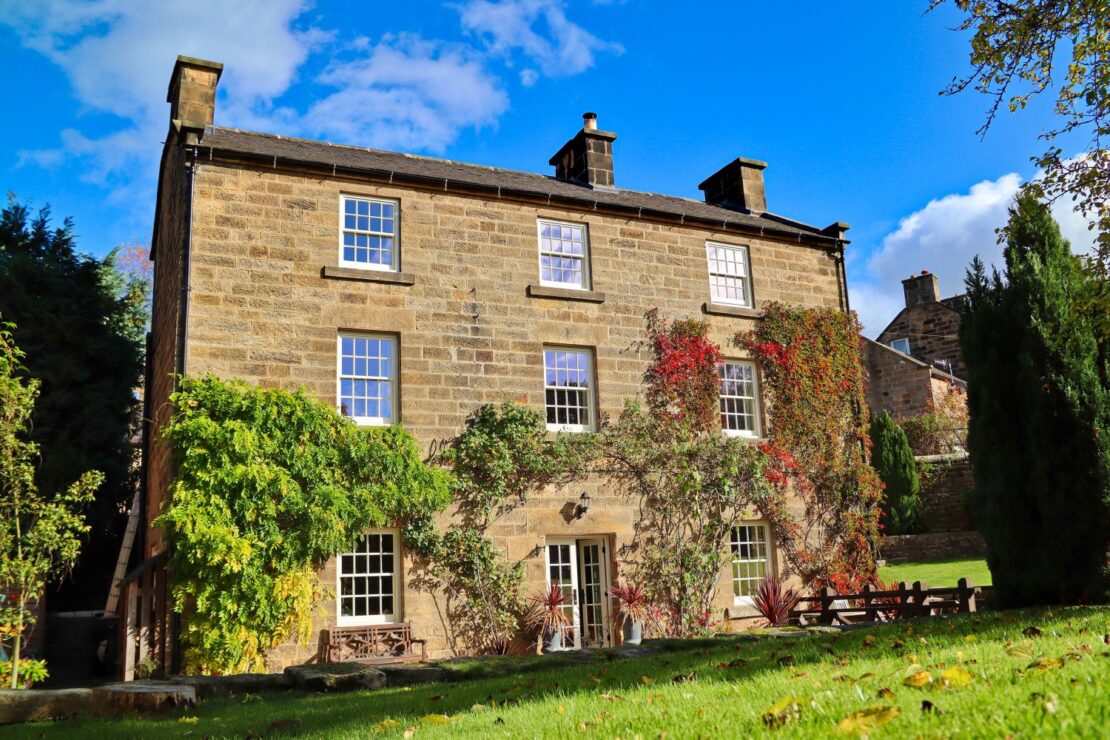
However, some historic homes have some common inefficiencies that can make the path to energy efficiency challenging. Most of the time, inefficiencies are concealed and have occurred over time, with temporary solutions being made to conceal faults in the simplest and most cost-effective ways possible.
Structural issues can be one of the most common challenges in historic homes. Timber beams, lime mortar, and ageing plumbing can deteriorate over time, which can cause weakness in the structure of the building, leaks if any gaps in the walls or ceilings start to form, and general faults to the overall function of the property.
Ageing buildings can be more susceptible to the elements, with factors such as damp, flooding, and fluctuating temperatures having an adverse effect. Historic homes were not designed for modern-day pollution and changes in climate, so these environmental issues can begin to occur as the property ages.
Most historic buildings tend to be listed buildings or are in conservation areas, and so before work can begin, listed building consent will be required. All works to listed buildings must follow the legal framework set out in the Planning (Listed Buildings and Conservation Areas) Act 1990, which places a duty on owners and professionals to protect a building’s character. Adapting historic homes for energy efficiency is about finding the balance between maintaining character whilst ensuring heritage buildings are modernised for the future.
How to Improve the Energy Efficiency of a Historic Property
Improving the energy efficiency of historic homes requires a careful balance between performance and preservation. Here are some effective strategies:
- Upgrade insulation: Poor insulation is a common issue in older properties. Adding breathable insulation to roofs, walls, and floors reduces heat loss while preventing moisture build-up, which is common for heritage buildings.
- Draught-proof windows and doors: Sealing gaps around frames improves thermal comfort and stops cold air from entering, without altering the building’s character.
- Integrate renewable energy: Where possible, consider solar panels or heat pumps to cut carbon emissions. These can often be installed discreetly to maintain aesthetics.
- Replace windows with timber alternatives: Timber windows are a sustainable choice with natural insulating properties. They help reduce heat transfer, can last for 60+ years if maintained properly, and can be customised to match original features, making them perfect for heritage projects.
The most effective approach is a whole-building assessment rather than isolated upgrades. However, windows often play a central role in energy performance and visual appeal, making them a priority for many renovations.
The Role of Timber Windows in Energy Efficiency
Windows play a critical role in a historic home’s energy performance. Original windows, while charming, often suffer from poor insulation, draughts, and single-glazing units – all issues which can significantly decrease energy performance. Having discovered the challenges historic homes face and what can be done to improve their efficiency, in this section, we will look at the role timber windows can play in improving the energy efficiency of a home.
Thermal Performance
Timber windows play a crucial role in the thermal performance of a building. Timber is a naturally insulating material and can be combined with modern glazing technologies to enhance a building’s energy credentials without compromising on its heritage value.
The thermal performance relates to the thermal insulation the window provides, preventing heat loss from a building, and the solar gain it provides, which allows heat into the building. The thermal performance of a window is measured using U-values. The U-value measures how good the material or product is at insulating, and therefore how effective it is at reducing heat loss. The lower the U-value of your windows, the better. A lower U-value means your timber windows can help lower energy bills and reduce your environmental impact as a result of reduced heat loss and energy usage.
It is important to remember that you can have the most energy-efficient property, but if you keep leaving doors and windows open, its thermal performance is inevitably undermined. The home’s location, its orientation, and exposure to the elements are also factors to consider that can affect the thermal performance of the windows and their contribution to energy efficiency improvements.
Common Issues with Original Windows in Heritage Buildings
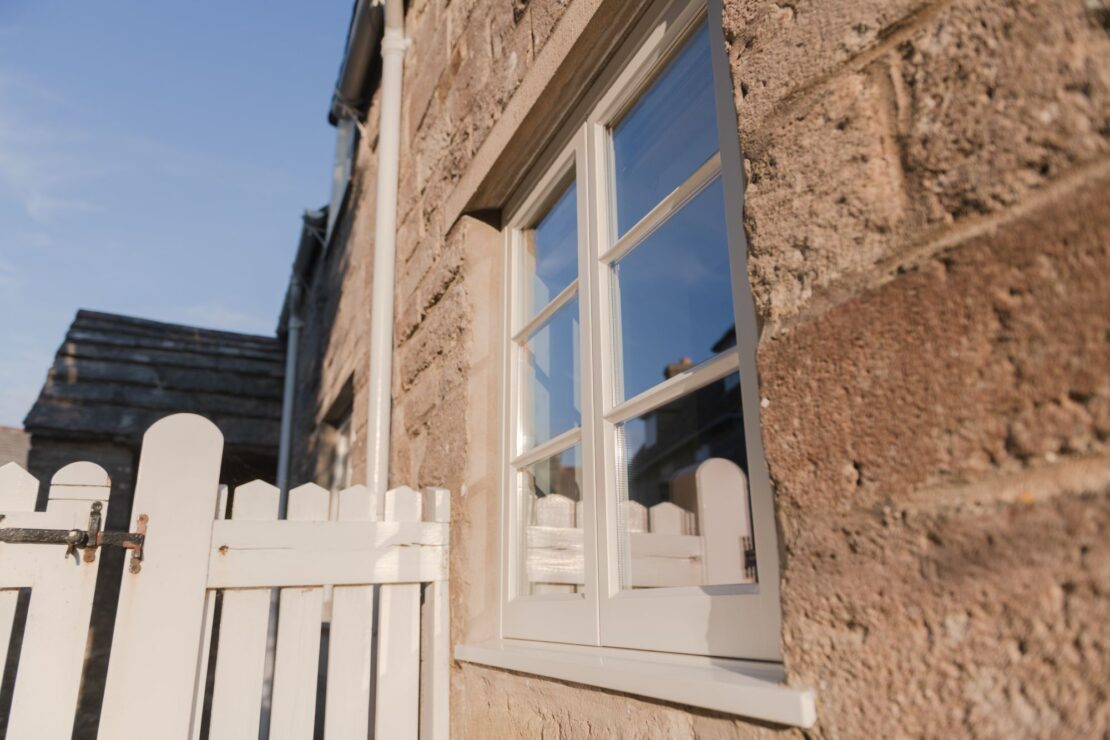
Windows are often of considerable importance to the significance of a heritage building, and were designed to suit the bespoke character of the building they are in. However, because of the building’s age, the windows may have deteriorated over time, solidifying the need to replace them.
Various issues may occur with older windows. This can include:
- Rot and decay: Over time, windows can start to rot and suffer from water ingress and insect damage, which can lead to structurally compromising issues for the building.
- Single glazing: Historic buildings were built with single-glazed windows, which can cause drafts and heat loss, as well as noise pollution, as they have little soundproofing capabilities.
- Lack of modern security features: Older windows may lack modern security features, making them more vulnerable to break-ins and damage.
- Usability issues: Years of use can lead to sticking window sashes, broken cords, or failing hinges.
Importance of Replacing or Refurbishing Old Timber Windows
If property owners start to notice issues with their old windows, repairing or replacing them, whilst retaining the character of the properties, is a top priority. Conservation Officers and public bodies tend to prefer repairing over replacing windows to protect the appearance of the façade and maintain character. However, replacement is becoming more popular as replicating existing designs is becoming easier to achieve.
Historic homes are also subject to conservation regulations that require careful consideration of a building’s materials and method of repair to ensure compliance with legal requirements. It is also important to repair or replace features of a historic home to preserve the architectural and cultural heritage of the UK for future generations. These factors further highlight why it is so important to put careful consideration and adherence to conservation principles, as historic homes remain key architectural landmarks of the UK.
Why Timber Windows?
Timber windows are an ideal choice for heritage properties because they combine authentic design with modern performance. They help preserve a building’s architectural character while delivering excellent thermal efficiency.
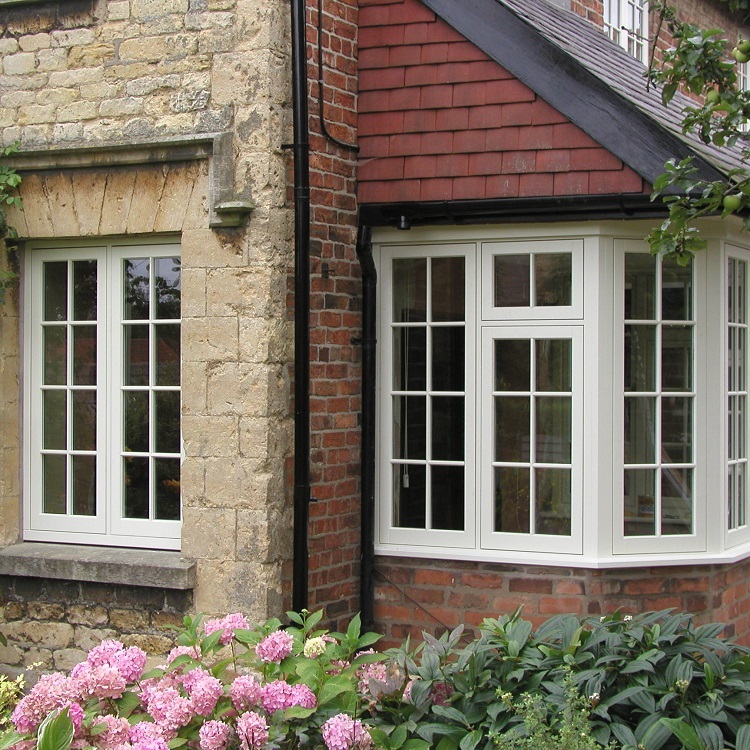
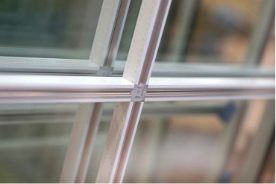
One of the biggest advantages of timber windows is their flexibility. They can be customised to match historic profiles, ensuring distinctive shapes and mouldings from specific architectural periods are retained. At George Barnsdale, we specialise in recreating these profiles, so your windows look as though they’ve always belonged. Plus, for sash retrofits, slimline double glazing is another option, providing narrower units than standard double glazing to ensure the glass fits seamlessly into shallow rebates.
This ability to replicate period styles makes timber windows increasingly popular for conservation projects. They meet the strict requirements of conservation officers and specifiers, ensuring compliance while enhancing energy performance.
Timber windows are also built to last. A study by Heriot Watt University found that, with proper care, timber windows can have a lifespan of up to 60 years, which is far longer than uPVC or aluminium alternatives. Modern preservative treatments and robust design mean lower replacement costs and long-term savings for your customers, meaning more trust in the product you are supplying them.
Finally, timber windows are a sustainable choice. Their long lifespan reduces waste, and when combined with refurbishment and retrofit strategies, they can significantly cut carbon emissions. Heritage Counts research suggests that emissions from historic buildings can be reduced by over 60% by 2050 through retrofit, making timber windows an ideal choice for improved energy efficiency in historic homes.
In summary, while historic homes present unique challenges on the path to net zero, developers can take meaningful steps to enhance their energy efficiency. These properties are an integral part of our national heritage and must be preserved for future generations. One key area for improvement is timber windows; upgrading to high-performance replacements can significantly boost energy efficiency without compromising historic character.
Looking for replacement timber windows for your next development project? Contact us today to see how we can help.