May 18, 2026
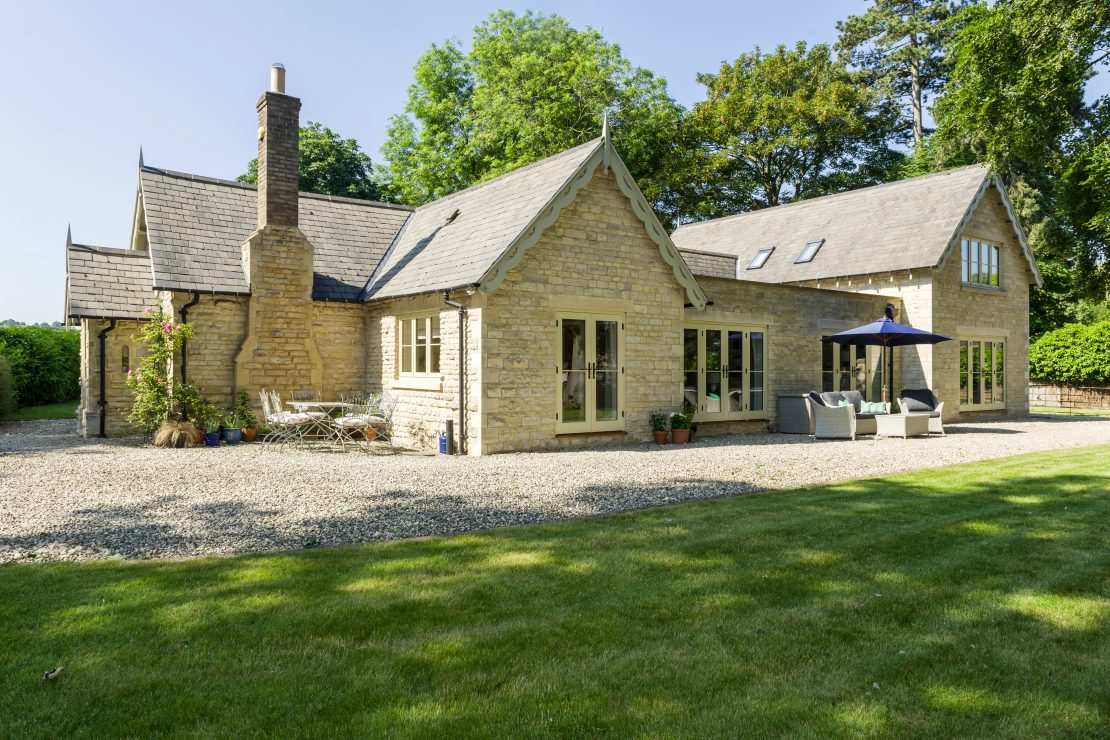
Period homes offer a unique blend of history, craftsmanship, and charm, often appreciating over time. However, their age and construction methods can mean higher maintenance requirements. Because of their unique history and craftsmanship, there may be restrictions on what changes you can make if your heritage home needs an upgrade.
That said, sympathetic customisation is not only possible, but it can also significantly improve comfort, energy efficiency, and usability without compromising heritage value.
Windows and doors play a vital role in this balance. They contribute heavily to a home’s character while also influencing energy performance, security, and day-to-day comfort. Even where original features remain, their performance is likely to have declined over time. Fortunately, modern timber solutions make it possible to upgrade without losing authenticity.
In this blog, we explore how to customise your period home with timber windows and doors while staying true to its unique character, and how working with experienced specialists can make the process much simpler.
Why Original Character Matters in Heritage Homes
England has some of the oldest housing stock in Europe, and preserving it is essential. Historic England states that the historic character of a place is a “cultural expression” shaped by how people have interacted with a place over time.
A heritage property’s defining qualities lie in its design, materials, proportions, and layout. These elements form the foundation of the building’s identity, one that should be respected as you adapt it for modern living.
Maintaining this original character is important for several reasons:
- Authenticity: Period features reflect traditional craftsmanship and tell the story of the home’s past.
- Value: Well-preserved historic details often enhance a property’s market appeal and long-term value.
- Legal compliance: Altering protected features without permission can result in enforcement action.
- Longevity: Traditional materials, when properly maintained, can outperform many modern alternatives.
Ultimately, thoughtful upgrades should enhance a property’s usability without diminishing what makes it special.
Understanding Planning Constraints: Listed Buildings & Conservation Areas
Many heritage homes fall within conservation areas or are formally listed, both of which come with planning considerations.
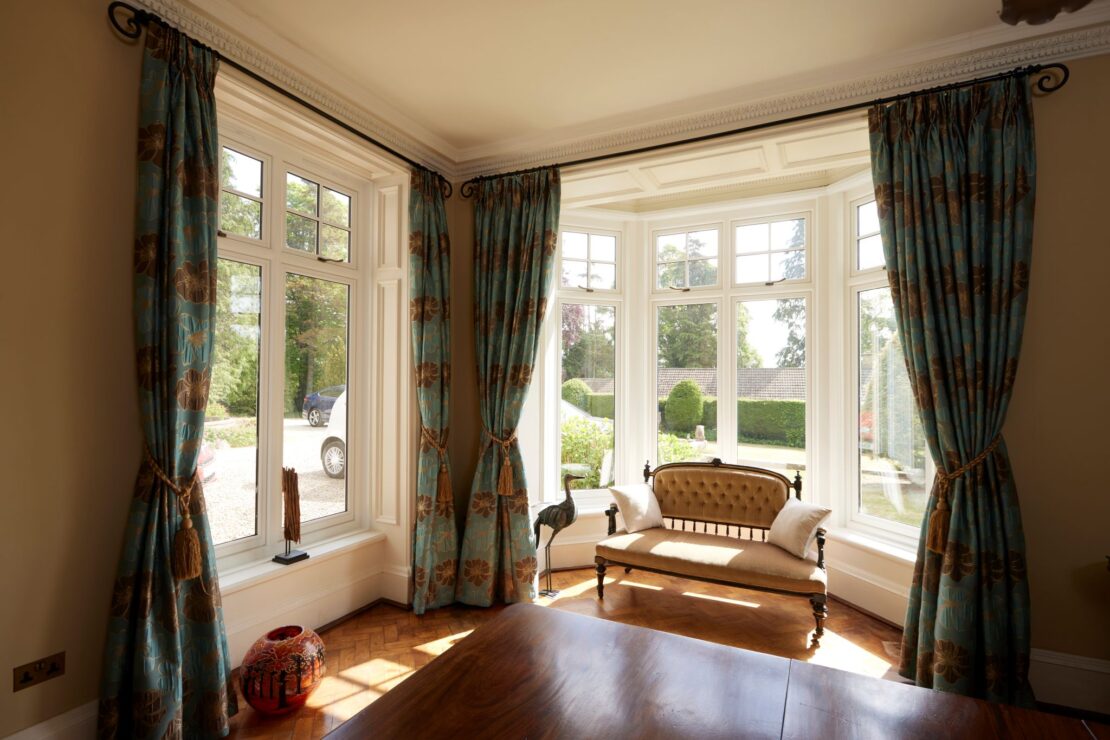
A conservation area is protected due to its architectural or historical significance, while a listed building is legally safeguarded and graded based on its importance (Grade I, II*, or II). In both cases, changes to key features, such as windows and doors, will typically require approval.
These restrictions are often perceived as barriers, but they do not prevent improvement. They aim to ensure that any changes are sympathetic to the building and its surroundings.
Working with an experienced supplier can make a significant difference. Specialists familiar with conservation requirements can help navigate applications, liaise with planning officers, and produce designs that closely replicate original features. This increases the likelihood of approval and reduces delays. At George Barnsdale, our products allow you to get a like-for-like replacement on your new timber windows and doors, so you can replicate designs whilst retaining character and adhering to local regulations.
The Role of Replacement Timber Windows & Doors
Timber remains the preferred material for heritage properties – and for good reason.
Design Flexibility:
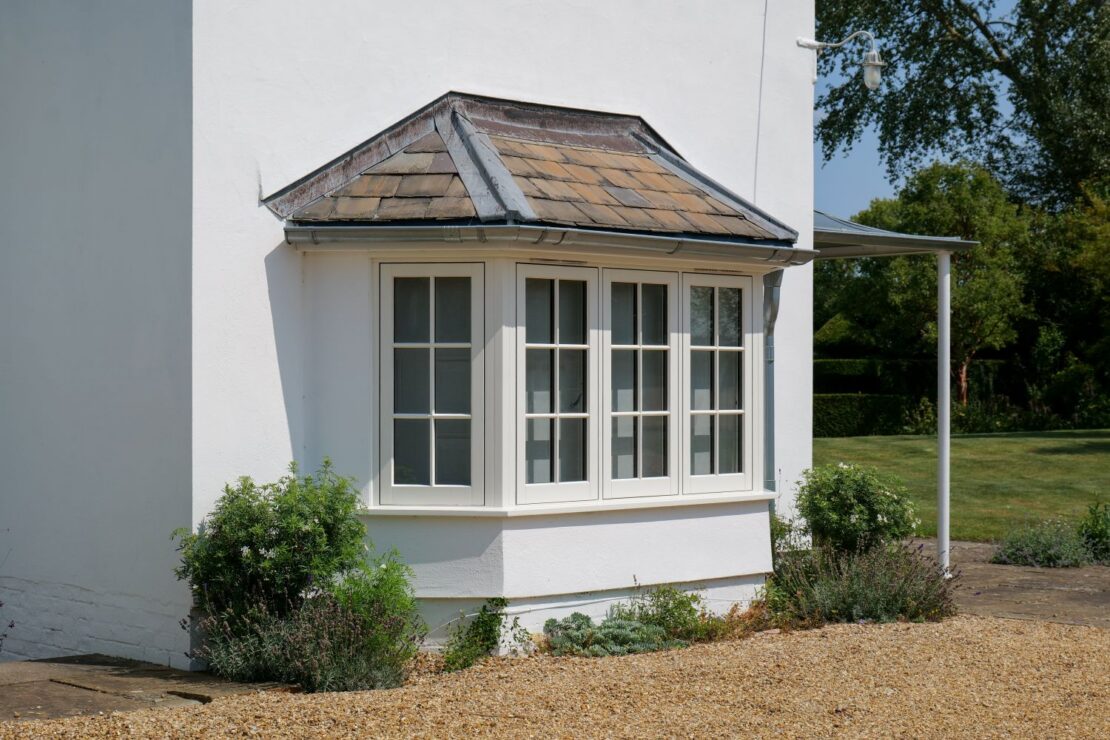
Timber can be precisely crafted to replicate original window and door designs. From traditional glazing bars to detailed mouldings, bespoke timber solutions allow you to match historic specifications almost exactly.
Longevity:
High-quality timber, when properly treated and maintained, can last for 60 years or more. Its natural strength and stability make it highly resistant to warping, cracking, or decay.
Historical Significance:
Timber has been used in British architecture for centuries. Its natural texture and warmth contribute to a level of authenticity that modern materials struggle to replicate.
Sustainability:
As a renewable resource, timber has a lower environmental impact than materials such as uPVC or aluminium. Modern manufacturing techniques also enable excellent thermal performance, making timber a sustainable and energy-efficient choice.
Where possible, original windows and doors can be repaired or refurbished. However, replacement may be the best option when performance, safety, or structural integrity is significantly compromised.
How to Customise Without Compromising Character
Customisation doesn’t have to mean compromise. With careful attention to detail, it’s possible to introduce modern performance and personal style while maintaining heritage integrity.
Match Original Profiles and Proportions:
Proportion is one of the most important factors in period design. Frame thickness, glazing bar layout, and overall balance all influence how well new windows integrate into an existing façade.
Bespoke timber windows can be carefully crafted to replicate these details. From traditional glazing patterns to more distinctive features such as sash horns or arched heads. This is particularly important in heritage homes, where even small deviations can feel noticeably out of place.
Complementary Colours and Finishes:
Colour offers a simple yet effective way to personalise your home. Heritage properties often suit muted, traditional tones that complement the surrounding architecture.
That said, there is room for individuality. Front doors, for example, can introduce bolder colours without disrupting the overall aesthetic. Dual finishes are also an option, allowing you to maintain a classic external look while tailoring interiors to your décor.
Period-Appropriate Hardware:
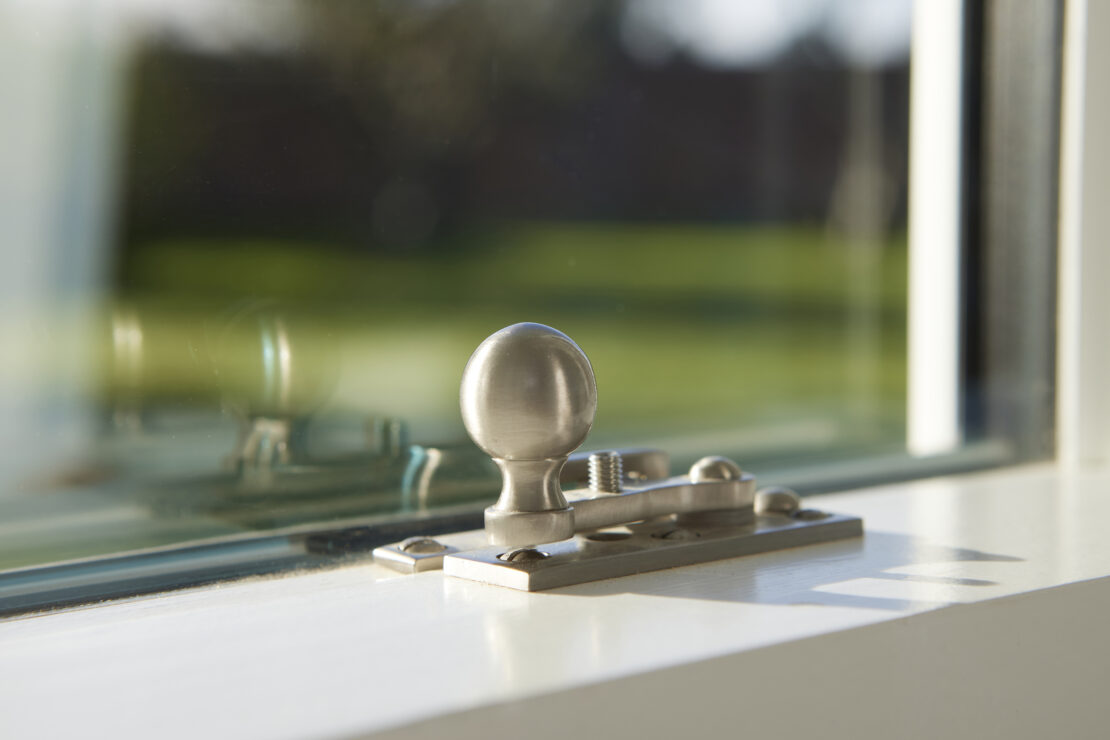
It’s all in the details. Handles, hinges, and locks all contribute to the overall look and feel of your timber windows and doors. Choosing period-appropriate hardware can help reinforce the style of your property, ensuring your new installation feels authentic rather than out of place.
Modern security features can still be integrated discreetly, allowing you to improve safety without sacrificing authenticity.
Upgrade Glazing for Comfort:
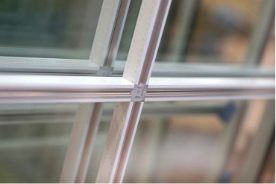
Advancements in glazing technology mean you can improve energy efficiency without altering appearance. Slim-profile double glazing reduces heat loss while maintaining traditional aesthetics. Whereas acoustic glazing helps minimise external noise, which is particularly useful in busy locations.
These upgrades can significantly improve comfort, making period homes more practical for modern living.
Working with Specialists who Understand Heritage
Upgrading a heritage property can feel daunting, particularly when navigating regulations and design decisions. As a result, many homeowners delay improvements due to uncertainty. But, with the right guidance, it doesn’t have to be that way.
Working with experienced specialists can simplify the process considerably. Heritage-focused suppliers understand both the technical requirements and the architectural nuances of period properties.
They can:
- Advise on suitable designs and materials
- Support planning applications
- Liaise with conservation officers
- Ensure replacements are both compliant and sympathetic
With the right guidance, the process becomes far more straightforward, allowing you to focus on enhancing your home rather than worrying about the technical and regulatory details.
Setting Realistic Expectations: What Gets Approved?
When upgrading your windows and doors in a heritage home, the goal is to improve performance while preserving appearance. While guidance can vary by property and local authority, some common principles guide what is likely to be accepted and what isn’t.
Commonly accepted changes include:
- Like-for-like replacements that replicate original designs
- Slim-profile double glazing that maintains traditional aesthetics
- Matching glazing bar profiles and layouts
- Traditional materials, particularly timber
- Sympathetic, heritage-appropriate colour choices
- Bespoke detailing that reflects original features
Commonly rejected changes include:
- Changing the window style of proportions (e.g., replacing sash windows with casements).
- Using inappropriate materials such as uPVC
- Thick or bulky modern frames
- Incorrect glazing patterns or missing glazing bars
- Overly bold or modern finishes that disrupt the streetscape
- Visible features that detract from appearance, such as intrusive trickle vents or hardware.
Ultimately, successful customisation is about balance. While there are many options available, the most effective designs work in harmony with the existing building, rather than competing with it.
Achieving the Right Balance
By focusing on proportion, material, and detail, and working with specialists who understand heritage requirements, it’s possible to create windows and doors that feel both personal and appropriate. The result is a home that looks as though it has always been that way, yet performs far better for modern living.
Considering upgrading your windows and doors in your period home? Talk to our experienced team today and see how we can support you and your heritage window and door replacement project: https://www.georgebarnsdale.co.uk/contact-us/